

.jpg)
Slashing Store Turnover: The Financial Impact of Adding 55+ Talent to Your Frontline
If you run a retail store or a fast-food operation, you already know the number. It's the one that keeps showing up in your labor costs, your training budget, and the back of your mind every time a good employee gives you two weeks' notice.
Turnover. It's the defining challenge of frontline work, and most businesses have quietly accepted it as just the cost of doing business.
But what if it didn't have to be?
There's a growing group of employers who are finding a surprisingly effective answer to the revolving door problem and it doesn't involve higher wages alone, better benefits alone, or a new employee engagement program. It involves looking at a part of the applicant pool they've been overlooking: experienced workers 55 and older who are ready, willing, and genuinely motivated to work.
Here's what the numbers actually look like and why it matters more than most store owners realize.
The Real Cost of Turnover (It's Higher Than You Think)
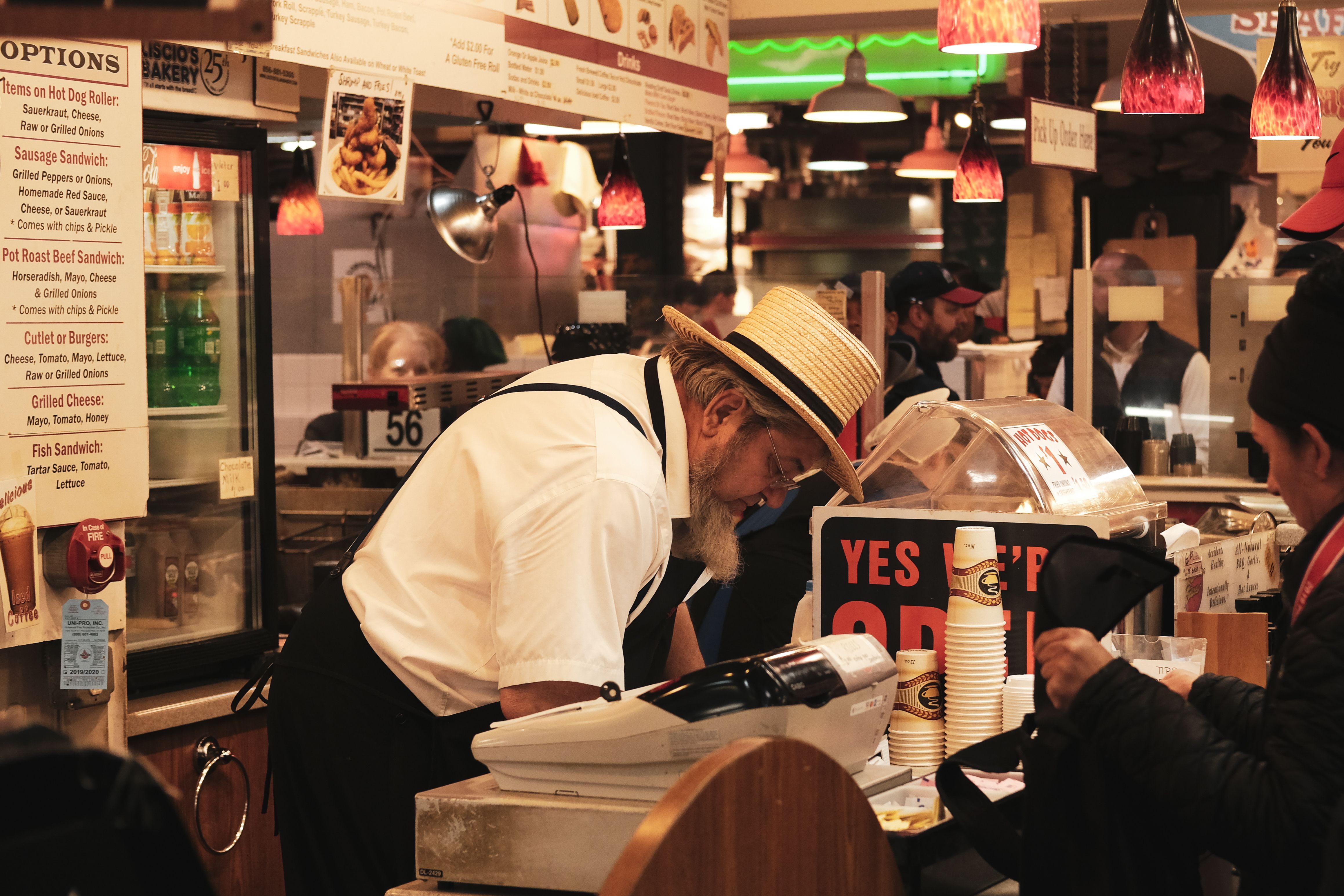
Most managers have a sense that turnover is expensive. But when you actually break it down, the number tends to be shocking.
Industry research consistently puts the cost of replacing a single hourly frontline employee at somewhere between $2,000 and $6,000 when you factor in recruiting, hiring, onboarding, training, and the lost productivity that happens while a new person gets up to speed. The Center for Hospitality Research at Cornell puts the average total cost of turnover at $5,864 per employee, with roughly $821 of that going to training alone.
Now multiply that by how often it happens.
The retail industry averages a turnover rate of around 60% annually. In fast food, it's even higher topping 100% or more according to BLS and National Restaurant Association data, meaning the average location replaces its entire staff at least once a year. For a store with 20 frontline employees, that could mean 12 to 20 replacements per year, at thousands of dollars each.
That's not a rounding error on your P&L. That's a significant chunk of your operating budget walking out the door every year and most of it is quietly accepted as normal.
It doesn't have to be.
Why Younger Frontline Workers Leave

To understand the solution, it helps to understand the problem. High turnover in retail and fast food isn't random. It follows a pretty predictable pattern.
Younger workers, particularly those in their late teens and twenties, are often in transitional life stages. They're in school, figuring out what they want to do, looking for something better, or planning to move. The job is a means to an end and when a better end comes along, they leave. There's nothing wrong with that. It's just where they are in life.
They're also more likely to be affected by scheduling conflicts, transportation issues, or personal circumstances that lead to callouts and no-shows. Not out of bad character but because life at that stage is genuinely unpredictable.
The result is a staffing model built on a foundation that constantly shifts. You invest in training someone, they get good at the job, and then they're gone. And the cycle starts again.
What Makes 55+ Workers Different

Mature workers or Pivoters, as we call them, aren't in a transitional life stage. They've already figured out what they want, and increasingly, what they want is a job that gives them purpose, connection, and supplemental income without burning them out.
They're not planning to leave for a better offer in six months. They're not going back to school in the fall. They're not in the middle of figuring out their lives. They've done that. Now they want to show up, do good work, and be part of a team.
That stability shows up in a few very specific ways that directly affect your bottom line.
Attendance reliability. Pivoters show up. Not because they're required to but because showing up is a value they've held their entire working lives. They understand what it costs a team when someone doesn't appear for their shift, and they take that seriously. That kind of reliability is rarer than it should be in frontline work, and it's genuinely hard to put a price on.
Lower callout rates. Health emergencies happen at every age, but the chaotic personal circumstances that lead to last-minute callouts like party nights that ran too late, childcare that fell through, or transportation that didn't show up are far less common in mature workers. Their lives are, generally speaking, more stable. That stability translates directly into schedule predictability for you.
Longer tenure. When a Pivoter finds a job they like, they stay. Not for months but for years. When you do the math on what it costs to keep someone versus replace them, long tenure is one of the most powerful cost-saving levers you have. A worker who stays three years instead of six months saves you multiple rounds of recruiting, hiring, and training costs.
Faster time to competence. Mature workers have spent decades learning how to learn. They know how to pay attention, ask the right questions, and apply what they've been shown. The learning curve is often shorter than you'd expect and the mistakes that happen during those early weeks tend to happen less frequently, because they're careful.
Let's Run Some Real Numbers

Let's say you run a fast-casual location with 15 frontline employees. Your annual turnover rate is 80%, lower than the industry average, because you run a pretty good operation. That means you're replacing about 12 people per year.
At a conservative replacement cost of $3,500 per employee, that's $42,000 per year in turnover costs. Not wages but just the cost of losing and replacing people.
Now let's say you shift your hiring strategy and bring on five experienced Pivoters who each stay for three years instead of the industry average of less than a year. Over that three-year period, you would have replaced those five positions approximately 12 times under your current model at a cost of around $42,000 in replacement expenses for just those five roles.
With the Pivoters staying for three years, you replace each of those positions once at the end of the period. Replacement cost: $17,500 for all five.
Rough savings on just five positions over three years: ~$24,500.
And that's before you factor in the productivity losses, the customer experience dips during training periods, the overtime paid to cover shifts, or the time spent on recruiting and onboarding instead of running the store.
The Customer Experience Factor
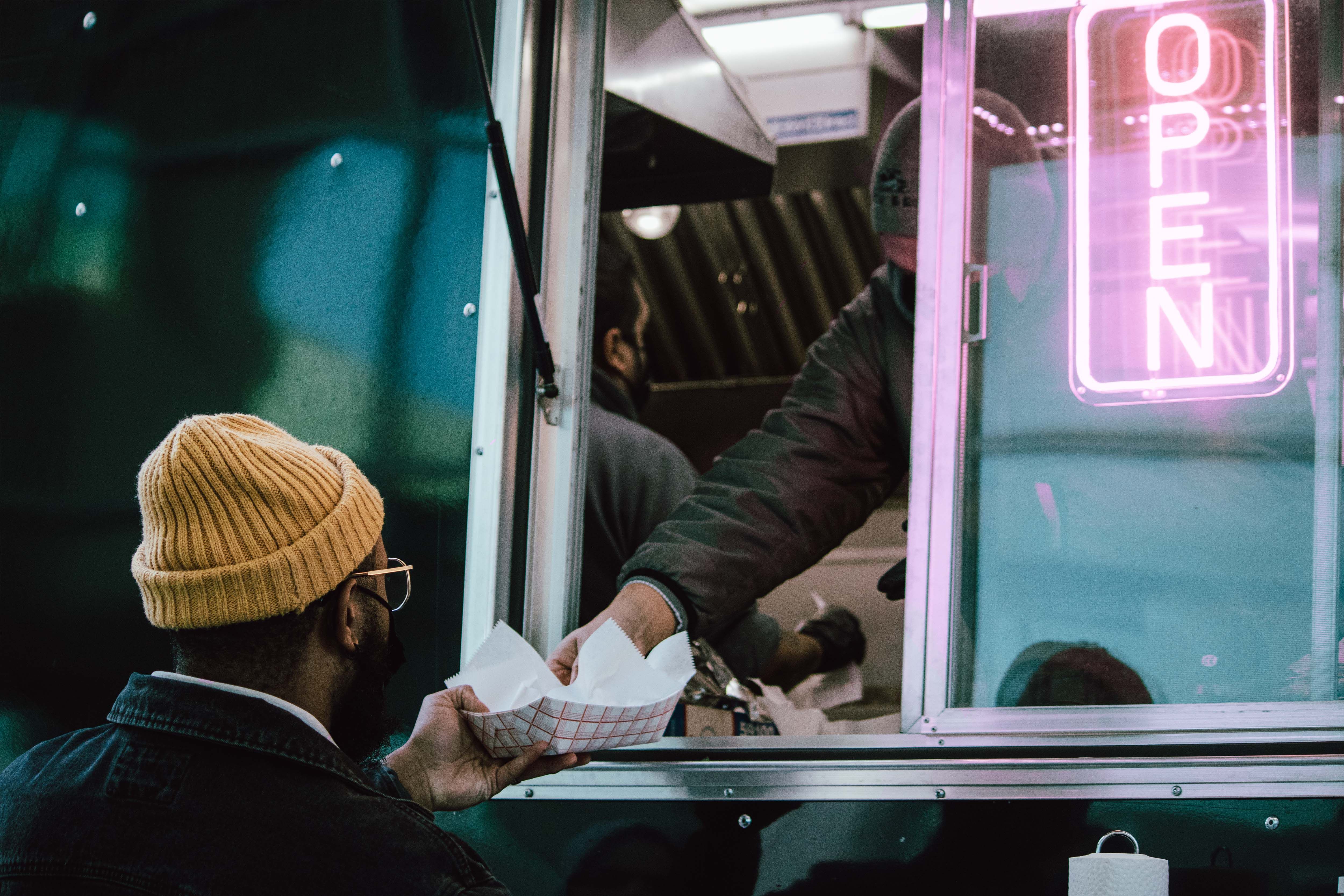
There's another cost of high turnover that doesn't show up on a spreadsheet but shows up everywhere else: the customer experience.
Customers notice when they see the same faces every time they come in. They notice when someone who helped them last week isn't there anymore and the new person doesn't know what they're doing yet. They notice when the service is inconsistent because the staff is always in some state of being new.
Pivoters bring something to the customer-facing side of your business that's genuinely hard to replicate with a constantly rotating staff: familiarity, warmth, and competence. They've had decades of practice talking to people, reading what someone needs, and making an interaction feel easy and pleasant. Customers respond to that. And customers who feel well-served come back.
Repeat customers are the lifeblood of retail and fast food. A team that helps build those relationships instead of constantly resetting them. And that has a real impact on your top line, not just your cost structure.
What It Actually Takes to Make This Work
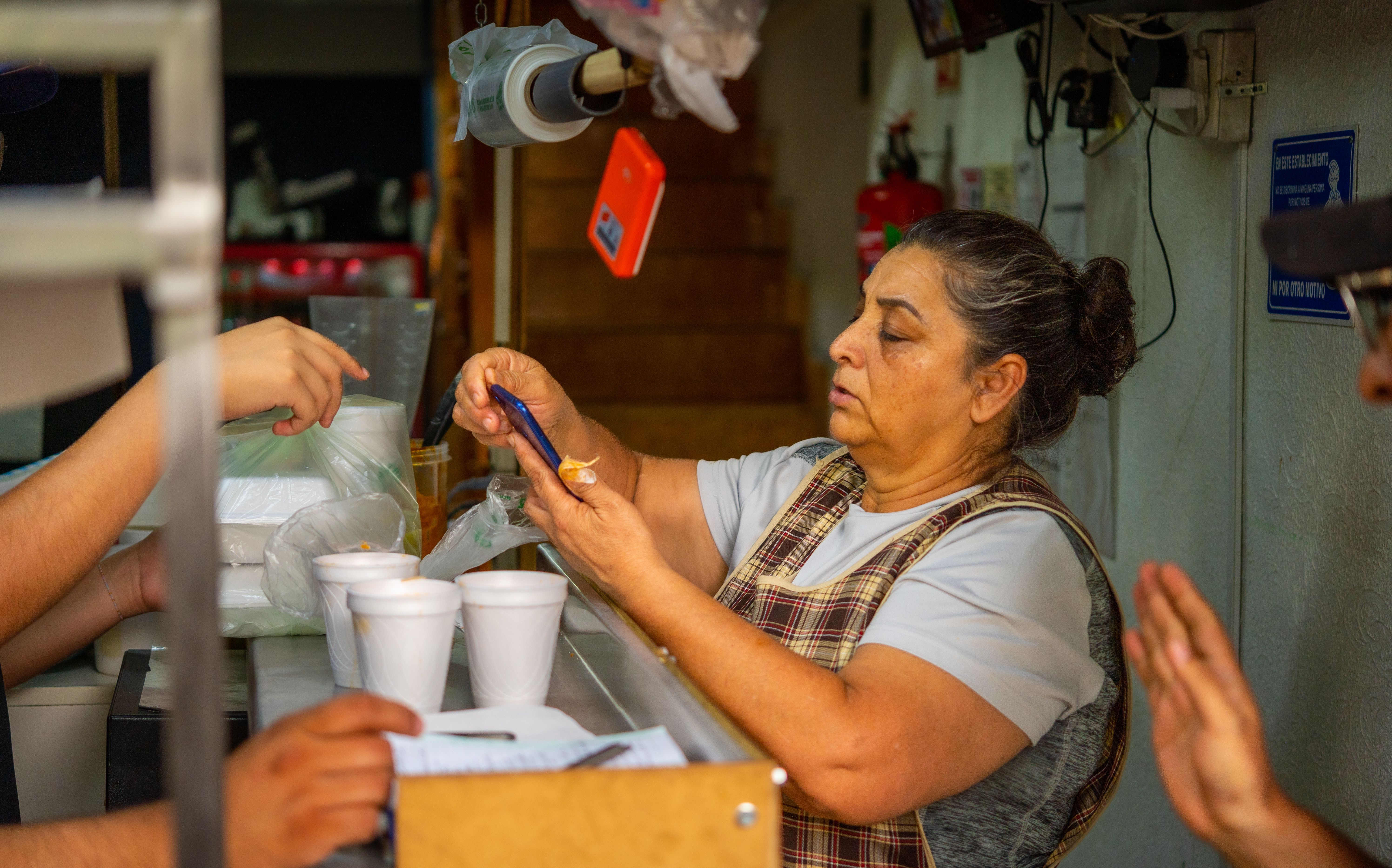
Hiring mature workers isn't a magic fix. It works best when you set it up for success. Here's what that looks like in practice:
Be flexible on scheduling. Pivoters often want consistent, predictable hours rather than the maximum possible hours. A reliable 20-hour-a-week schedule that doesn't change week to week is often more appealing than a full-time position with constantly shifting shifts. Offering that kind of structure is low-cost for you and high-value for them.
Train them like you'd train anyone else — but trust them faster. Don't assume mature workers can't learn your systems. They can, and often faster than you'd expect. Give them the training they need, then get out of the way and let them do the job.
Don't overlook them in your recruiting. If your job postings are only going to platforms frequented by 20-somethings, you're not reaching this workforce. Post on platforms and in places where mature job seekers are actually looking. Community boards, senior centers, local newspapers, and platforms specifically designed for experienced workers all reach this audience.
Treat their experience as an asset. A Pivoter who spent 20 years in customer service has something valuable to offer your team and not just in doing their own job well, but in modeling what good looks like for younger coworkers. When you recognize and respect that, you create the kind of workplace where people want to stay.
The Bottom Line
Turnover isn't inevitable. It feels that way in retail and fast food because the industry has built its staffing model around a workforce that, by design, doesn't stick around. But that model has a cost that most businesses are paying every single year without ever questioning it.
Adding experienced, dedicated Pivoters to your frontline team won't solve every staffing challenge you have. But it will change the math in ways that show up in your budget, your scheduling headaches, your customer satisfaction, and the overall stability of your store.
The people are out there. They want to work. They'll show up on time, take the job seriously, and stay long enough to actually become a valuable part of your team.
That's not a small thing. In this industry, that's everything.






Thank you for signing to our newsletter