


What Experienced Workers Bring That AI Can’t Replace
Artificial intelligence, or AI, is changing the workplace fast. Companies are automating tasks, streamlining workflows, and rethinking entire roles around efficiency and scale.
But as businesses rush to adopt AI tools, many are realizing something important: Technology can support work but it can’t replace human experience. Especially the kind that comes from years of working with people, solving problems under pressure, and navigating real-world situations.
Experienced workers bring something AI can’t replicate. And in an increasingly automated world, that matters more—not less.
AI Processes Information. People Provide Context.

AI is great at pulling data, summarizing information, and speeding up repetitive tasks. But it struggles with emotional complexity and context. Employees who’ve been around for a while know how to read between the lines. They understand workplace dynamics, shifting priorities, and the human side of decision-making.
That kind of situational awareness isn’t something you download. It’s developed over time.
Human Connection Still Drives Business
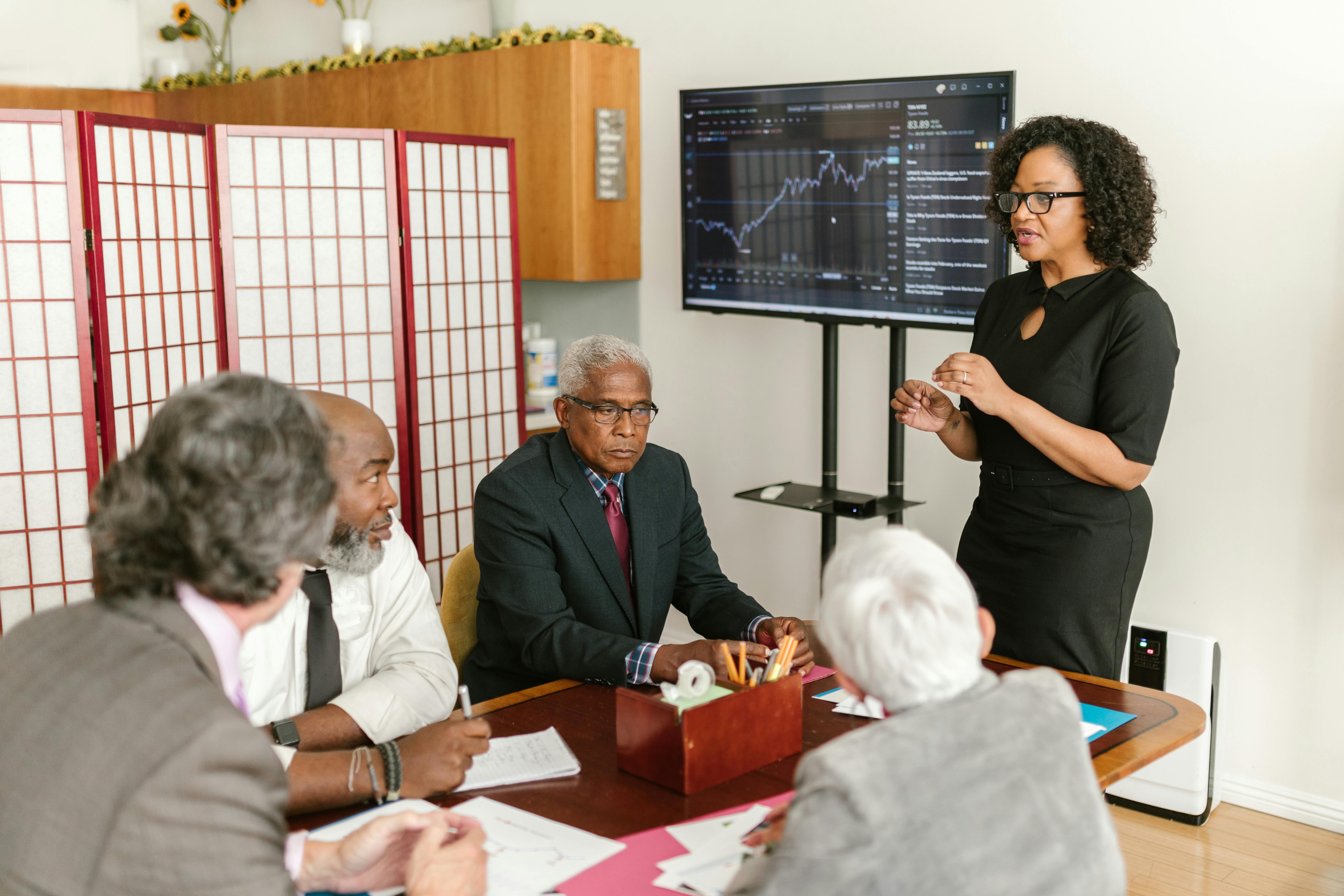
No matter how advanced technology becomes, most industries still depend on relationships.
Seasoned workers often excel at communication because they’ve spent years navigating difficult conversations, managing expectations, and building rapport. They know how to de-escalate tension, collaborate across personalities, and respond thoughtfully in unpredictable situations. They’ve seen projects fail, recover, pivot, and succeed.
That level of discernment becomes especially valuable during moments of change or uncertainty. AI can generate responses while people build the relationships.
Adaptability Doesn’t Belong to One Generation
There’s a common misconception that experienced workers struggle with technology or change. In reality, many have spent decades adapting to new systems, industries, and workplace shifts.
They’ve worked through economic downturns, restructures, digital transformations, and evolving job markets. Adaptability isn’t new to them—it’s part of their professional foundation.
Learning a new platform is often much easier than learning resilience, communication, or leadership under pressure.
AI Works Best Alongside People With Experience
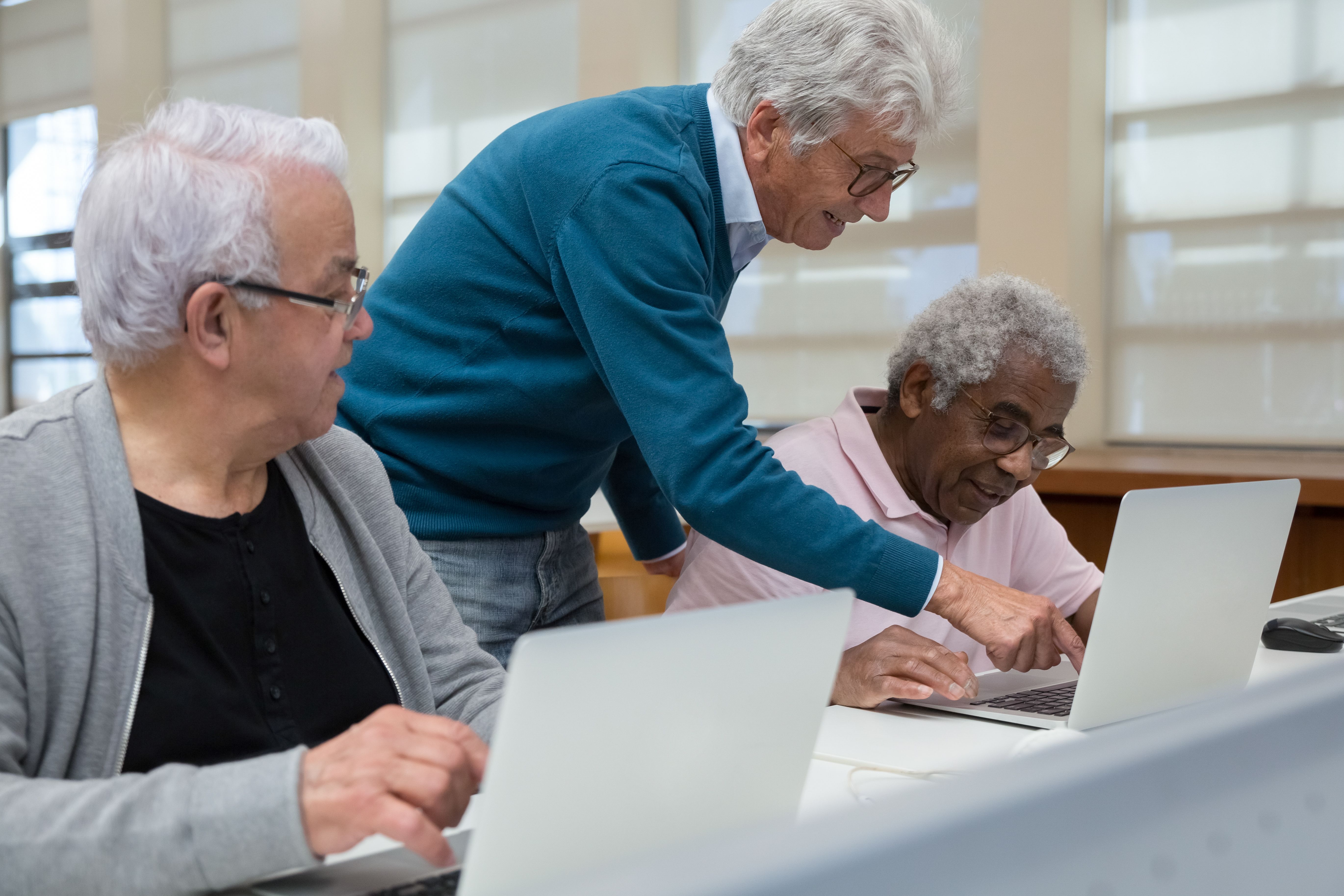
The future of work likely isn’t AI versus humans. It’s AI supported by people who know how to use it thoughtfully.
Workers with significant experience understand where automation helps and where human oversight is still essential. They can become efficient while still using critical thinking like checking that work stays accurate, ethical, and matches up with real business needs.
Technology may speed up tasks, but people still drive strategy, trust, creativity, and collaboration. These are the qualities that strengthen teams, improve customer experiences, and shape workplace culture.
Technology can enhance productivity. It can streamline systems. It can support operations. But it can’t replace wisdom, perspective, or human connection. And those are still some of the most valuable assets a company can have.






Thank you for signing to our newsletter