


How to Prepare for Common Interview Questions
Job interviews can feel intimidating, especially if you haven't had one in a while. But here's the good news: an interview isn't meant to be an interrogation—it's a conversation. For people who are new to the workforce or changing careers, interviews can feel high-pressure. But in reality, employers are usually trying to answer one simple question: Can this person help us solve our problems?
That's where your experience comes in. Whether you've spent decades in the workforce, taken time away to care for family, or are looking for work after retirement, you bring valuable skills and perspective to the table.
Let’s walk through some of the most frequently asked interview questions and how to answer them in a way that highlights your experience and value.
1. Most Asked Interview Questions

Regardless of the industry, there are certain go-to questions that recruiters use.
“Tell me about yourself…”
- Recruiters want interviewees to connect their past to their current interest in the role.
- It is often the first impression and sets the pace for the interview.
- Example answer: “I have spent the last 20 years in marketing, specifically focusing on strategy. I am now looking to apply those skills to a smaller, data-driven organization like yours.”
“Why do you want to work here?”
- Recruiters want to know if candidates have researched the company or are just applying to any open role.
- Employers want to hire people who are genuinely excited about their mission.
- Example answer: “I’m looking for a role where I can stay active, work with good people, and bring the experience I’ve built over the years to a company that values reliability and community.”
“What are your greatest strengths?”
- Are you self-aware and able to show what makes you the best fit for this position?
- Show recruiters how you are able to positively contribute to the company.
- Example answer: "My greatest strength is explaining things in a clear and simple way. Whether I'm helping a customer, training a coworker, or learning a new process, I make sure everyone understands what needs to be done."
“What do you consider your weaknesses?”
- This is your chance to show humility and be honest about areas you’d like to improve in.
- Recruiters want to recommend hardworking people who have a growth mindset.
- Example answer: “Earlier in my career, I struggled with public speaking. To fix this, I joined a local Toastmasters group and volunteered to lead our monthly team presentations.”
“Why are you leaving your current job?”
- This question is searching for the motivations behind your job change and if there were performance issues.
- Show that you’re moving towards a new opportunity rather than running away from a problem.
- Example answer: "After retiring, I realized I wasn't quite ready to stop working altogether. I'm looking for a role where I can stay active, use the skills I've built over the years, and contribute to a team without the demands of a high-pressure position."

“Where do you see yourself in five years?”
- Employers want to know if you’re looking for a short-term stop or a role where you can contribute and grow over time.
- Hiring and training takes time and money; you need to show your genuine interest in the role.
- Example answer: "In five years, I'd like to be part of a company where I feel valued, enjoy the work I do, and can continue using my skills to support the team."
“Why should we hire you?”
- Be prepared to share a summary of the skills, experience, and qualities that make you a strong fit.
- This is your chance to explain why your experience makes you the right person for the role.
- Example answer: “I’m a strong fit because I’m dependable, easy to work with, bring years of experience, and a willingness to learn.”
“Do you have any questions for us?”
- They’re trying to gauge the candidate’s level of interest in the actual day-to-day work.
- A candidate with no questions can seem uninterested or unprepared.
- Example answer: “What does a typical day look like for this team, and how does the company support ongoing professional development?”
“What would your previous coworkers say about you?”
- They want to know how others view your work style and would describe your character.
- This is the chance to give recruiters insight on how you’ll fit into a team.
- Example answer: “They’d probably say I’m steady and reliable. I’m the person who shows up on time, keeps things organized, and follows through without needing a lot of reminders. I’ve also been told I’m easy to work with because I don’t get flustered when things get busy—I just help get things back on track.”
2. Experience-Based Questions

Experience-based questions require you to reflect on your professional history to prove you have handled real-world challenges and have the resilience and ability to learn from mistakes.
“How do you handle change?”
- Change is a constant so employers want to know how you deal with it.
- Recruiters want to hire someone who is adaptable and flexible, especially with evolving technology.
- Example answer: “At this point in my work experience, I’ve seen enough change to know it’s just part of the job. I take a minute to understand what’s new, ask questions if I need clarity, and then focus on what I can control.”
“What would you do if you didn’t know how to complete a task?”
- There’s so many things we don’t know. Employers want to see how you deal with challenges.
- Show that you’re able to ask for guidance while still being resourceful.
- Example answer: “I’d start by breaking it down and figuring out what I do understand first. If I’m still stuck, I’d ask a coworker or supervisor for guidance instead of guessing. I’m comfortable asking questions—it saves time and avoids mistakes.”
“Tell me about a time you failed.”
- Everyone fails; the difference is how you handle it.
- This is the time to be honest and show how you solve problems.
- Example answer: “During a busy supermarket shift, I struggled trying to handle stocking shelves and running to help at the register at the same time. After manager feedback, I realized I needed to focus on one thing at a time and speak up when it gets too busy. After that, I got a lot better at managing my workload during rush hours.”
“Describe a successful project you led.”
- Recruiters want to understand what type of leadership skills you have.
- This is your chance to show you can stay organized and get things done.
- Example answer: "When I worked at a community center, I helped organize a large fundraising event. I coordinated volunteers, tracked schedules, and made sure everything ran smoothly on the day of the event. We exceeded our fundraising goal and received positive feedback from attendees."
“How have you handled a difficult coworker?”
- Tell the recruiter how you handle conflict.
- It’s important to show that you can work well with others.
- Example answer: “I was on a team and had a coworker who was constantly missing deadlines. I sat down with them privately to understand their workload, and we created a new checklist that helped both of us stay on track.”
“Give an example of a goal you reached.”
- What does 'success' look like to you?
- Define what drives you and motivates you in a role to succeed.
- Example answer: "I wanted to make our office run more efficiently, so I helped organize our filing and scheduling processes. As a result, staff spent less time searching for information and more time helping customers."

“Describe a time you went above and beyond.”
- Your commitment to service and quality is especially important in customer-facing roles.
- Show and reassure recruiters that you don't just do the bare minimum. They want to hire people who are comfortable exceeding expectations.
- Example answer: “By taking the time to listen carefully and follow up on customer concerns, I received positive feedback from customers and helped build stronger relationships."
“Tell me about a time you worked with limited resources.”
- This is the time to share how creative you can be with problem solving.
- Most companies have constraints, be it time or money, that need workers who can think outside the box while still working within those limitations.
- Example answer: "When our team was short-staffed, I helped cross-train coworkers so we could cover different responsibilities when needed.”
“Tell me about a time you had to pivot quickly…”
- Recruiters want to know how adaptable you are in a fast-paced environment.
- Business needs change, and employees must be able to change with them.
- Example answer: "One day, a coworker called out sick right before a busy shift. I stepped in to cover, adjusted my priorities, and helped keep things running smoothly. Customers still received good service, and the team was able to get through the day successfully."
3. Skills-Based Questions

Employers use these questions to verify you have the specific hard and soft skills required for the role. Hard skills cover technical knowledge, while soft skills cover things like teamwork and customer service.
“Why do you think you’ll be successful in this role?”
- Employers want to know about your understanding of this role.
- Show that you’ve thought long and hard about this job and how your experience applies.
- Example answer: “I’ve built a strong work ethic over the years, and I’m consistent. I don’t need constant supervision. I also know how to work with different types of people and stay calm under pressure, which I think really matters in this kind of role.”
“What skills have you gained throughout your career that would help you in this role?”
- Employers value experience when you can bring something useful to the table.
- Share how all the skills, expertise, and the knowledge you’ve collected over the years applies to this role you’re seeking.
- Example answer: “I’ve gained a mix of people skills and practical skills. I’m organized, I communicate clearly, and I’m good at staying on top of details. I’ve also gotten comfortable with technology and learning new systems, even when they’re not familiar at first.”
“How do you manage your time effectively?”
- Employers want to hire workers who know how to prioritize their workload.
- Share how you are able to handle the workload without constant supervision.
- Example answer: “When I have multiple responsibilities, I make a list and prioritize the tasks that are most urgent. This helps me stay organized and make sure nothing falls through the cracks."
“Can you describe your technical proficiency?”
- This question wants to know how good you are with tools that are needed for this job.
- Companies are always looking to reduce the time needed for onboarding and training.
- Example answer: “Technology has changed a lot over the years, and I've adapted right along with it. I've used computers and workplace software throughout my life and feel comfortable learning new tools.”
“How do you handle tight deadlines?”
- Stress is part of many jobs; employers need to know you won't crack.
- Share how you’re able to stay organized and focused when work gets busy.
- Example answer: "When I'm facing a tight deadline, I focus on the most important tasks first and take them one step at a time. I've found that staying organized and calm helps me get the job done without sacrificing quality."

“How do you approach problem-solving?”
- What information is this seeking? Your logical process and analytical thinking.
- Why this is important: It shows how you will tackle challenges you haven't faced before.
- Example answer: I start by identifying the root cause through data, then I brainstorm three possible solutions and weigh the pros and cons of each before acting.
“How do you handle a dissatisfied customer?”
- Recruiters want to know about your de-escalation skills.
- This one’s all about patience, empathy, and problem-solving.
- Example answer: "I've learned not to take complaints personally. I listen, acknowledge the person's frustration, and focus on what I can do to help. My goal is always to leave them feeling that their concern was taken seriously."
“Tell me about your communication style…”
- Employers want to know that you'll be easy to work with.
- Share how you’re able to communicate in a straightforward and positive way.
- Example answer: "Whether I'm helping a customer, working with coworkers, or learning something new, I believe good communication starts with listening."
“Give an example of your leadership skills.”
- How do you influence and guide others?
- Regardless of the job title, leadership is always needed.
- Example answer: “While volunteering at a community organization, we were short on volunteers for an event. I stepped in to help with more tasks so everything could stay organized and run successfully."
4. Work Culture-Based Questions
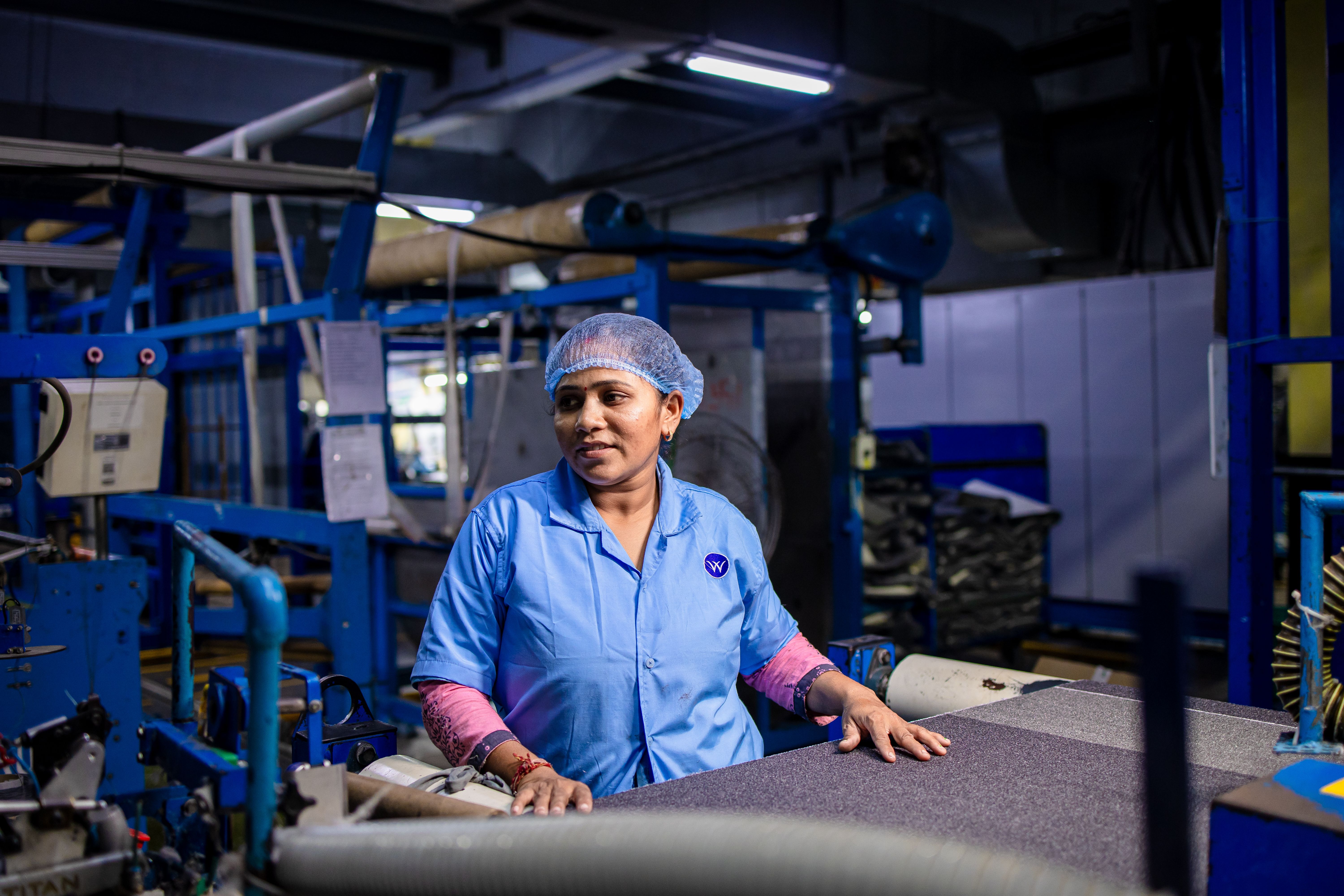
Work-culture questions seek to understand if your personal values work well with the team and company environment.
“Why are you returning to work?”
- If you’ve been out of the workforce for a while, recruiters want to know what drew you to this position.
- Give examples of how you’ve continued to work on your skills and how your experience gives you an added advantage.
- Example answer: “I’m at a point where I want to be active and engaged again in a work setting. I enjoy having structure in my day, being part of a team, and contributing in a meaningful way. I also feel like I still have a lot to offer, and I’d like to put my experience to use again.”
“What do you enjoy most about working with customers?”
- Recruiters ask this to see if you genuinely like helping people, since customer-facing roles require patience, empathy, and a positive attitude even in stressful situations.
- Give them signs that you’ll stay calm, represent the company well, and turn difficult interactions into good experiences.
- Example answer: “I like helping people feel taken care of. Whether it’s answering a question or solving a problem, it feels good to make things easier for someone else. I’m patient, and I try to really listen so people don’t feel rushed or dismissed.”
“What are your hobbies or interests outside of work?”
- Recruiters sometimes use this question to build rapport and learn more about you as a person.
- Show a glimpse of your personality and interests.
- Example answer: “Outside of work, I like things that keep me relaxed and busy in a good way like reading, cooking, spending time with family, and staying active when I can.”
“What type of work environment do you thrive in?”
- Employers want to know whether you prefer a fast-paced job or one that’s more structured.
- If you hate the work environment, you won't be productive in the long run.
- Example answer: "I appreciate it when expectations are clear, but I also understand that every workplace has busy periods. My experience has taught me how to stay flexible and keep things moving smoothly."
“How do you match with our company values?”
- Show that you’ve actually done research on the company.
- Recruiters are trying to hire for cultural fit and make sure that you’re looking to stay in this role for a while.
- Example answer: “I was drawn to your company because you emphasize teamwork and open communication. I’ve found that the best workplaces are the ones where people treat each other with respect and work together to solve problems."
“What does work-life balance mean to you?”
- Lay out your expectations for work hours and any boundaries you have.
- It’s great to set expectations for both the employer and worker early on.
- Example answer: “At this stage of my life, work-life balance means finding meaningful work while still having time for the people and activities that matter most to me. When I have that balance, I can bring a positive attitude and strong focus to my job.”

“Describe your ideal manager.”
- They want to know what your preferred management style is and how you like to be coached.
- It’s important for companies to make sure the relationship between a manager and an employee is solid and set up for success.
- Example answer: “My ideal manager is someone who sets clear expectations but also doesn’t micromanage.”
“How do you contribute to a positive team culture?”
- Employers want people who are easy to work with and can help create a supportive environment.
- Tell recruiters how you show support as a team player.
- Example answer: "Having a positive attitude and good communication allowed me to help make everyone else’s job a little easier."
“What motivates you to do your best work?”
- Employers want to know you'll take pride in your work.
- Give an example of how you’ve stayed committed to doing a good job.
- Example answer: "I like being useful. I enjoy learning new things, helping others, and knowing that people can rely on me."
“How do you handle feedback?”
- This is the time to show that you’re open to learning and improving.
- Recruiters want to know how you handle feedback.
- Example answer: "No one knows everything. I've learned a lot throughout my life by listening and staying open to new ideas.”
“Why did you choose this job path?”
- Employers want to know what your passion is.
- If you’re doing something you love, it’ll feel less like work and become easier to be more resilient and creative.
- Example answer: “I’ve always loved storytelling, and I realized that mentoring kids is the perfect way to nurture that passion.”
Top Methods to Ace Interview Questions

While not all questions are the same, there are ways to prepare before an interview.
Before you go into an interview, follow these 4 steps.
Step 1: Review job requirements and key skills needed.
Step 2: Check their mission and culture statements on their site.
Step 3: Realize what makes you stand out.
Step 4: Practice the STAR or START method to help with interview answers.
What Are the STAR and START Interview Methods?

Many employers use behavioral interview questions to understand how you’ve handled situations in the past. Rather than giving a short answer, employers often want you to walk them through a real example. That’s where the STAR and START methods come in. Read on to understand which method fits your style best as you prepare for an interview.
The STAR Method Stands For:
- Situation: Briefly set the scene.
- Task: Describe the challenge, responsibility or goal.
- Action: Explain the specifics of what you did.
- Result: Share the outcome and what was achieved.
The START Method Adds One Extra Step and Stands For:
- Situation: Give context of the event.
- Task: What needed to be done.
- Action: The detailed steps you took.
- Result: The measurable outcome.
- Takeaway: What you learned from the experience and how it has helped you grow.
How to Prepare Using STAR or START
Before your interview, spend time thinking about stories from your work experience that show skills that employers value. Write down examples where you:
- Solved a problem
- Helped a customer
- Worked as part of a team
- Learned something new
- Adapted to change
- Handled a difficult situation
- Took initiative
- Made a mistake and learned from it
You don't need dozens of stories. In fact, 5–7 strong examples can often be enough to answer a wide variety of interview questions.
For those returning after retirement or changing jobs, remember that your examples don't have to be recent ones from work. Volunteer work, caregiving responsibilities, community leadership, and past professional experience can all provide valuable examples.
Which Companies Use STAR Interviews?
Many employers use behavioral interviewing techniques and may specifically recommend the STAR method during the hiring process. Some well-known companies that commonly use STAR-style interviews include:
- Amazon
- Gartner
- Expedia Group
- Microsoft
- Meta
- Deloitte
- Accenture
Even if a company doesn't formally mention STAR, many hiring managers use behavioral questions because they provide insight into how candidates think, communicate, and solve problems.
The good news? Once you've prepared a handful of STAR or START stories, you'll be ready for interviews at almost any company.
Final Takeaways

Interviews can feel nerve-racking, but employers aren't looking for perfect answers. They're looking for someone who can do the job, work well with others, and bring a positive attitude to the workplace.
Before your next interview, spend some time thinking about your own experiences. A little preparation can help you feel more confident and confidence goes a long way.
Most importantly, remember that an interview isn't just about whether the employer wants you. It's also your chance to decide whether the job is the right fit for you. Ask questions, trust your experience, and don't underestimate the value you bring to the table.







Thank you for signing to our newsletter